

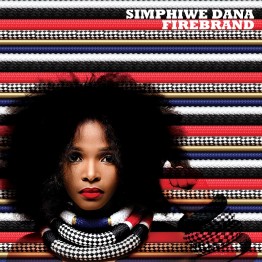
Afro-soul singer Simphiwe Dana is the prototype of being comfortable in your own skin. Her music is rich with a rural influence and ancestral spirituality. It also has a divine resonance with nature. It’s a soothing soundtrack for us slow souls who get overwhelmed by the strident stratosphere of the cities we’ve found ourselves in.
I was in high school when Zandisile was released in 2004, too preoccupied with the profanities of Eminem and his Detroit buddies, D12, to appreciate jazz and soul music. I was, like most of my peers, a big fan of kwaito. Simphiwe Dana’s craft, though, won me over. Her breakout single “Ndiredi” was my jam and still is, among lots of other songs she’s released through the years.
After three albums, some of which didn’t do well on our pop-obsessed airwaves, the average South African singer would have taken to singing over dancefloor-ready house beats by now. But not Simphiwe. Screw you and your radio-sanctioned popularity, she knows that corny love songs with catchy hooks and cheesy beats don’t equal great music.
Simphiwe Dana is – alongside the likes of Thandiswa Mazwai, Miriam Makeba, Hugh Masekela, Phuzekhemisi, Fela Kuti, Tsepo Tsola and more – one of those artists I refer to as emcees even though they do not rap. This is due to their sincerity, charisma, and storytelling aptitude. Simphiwe’s an emcee the way Nas, Chuck D, Tupac, KRS ONE, Rakim, Zubz and Tumi Molekane are.
Some get close to worshiping her. Others hate her dearly, for different reasons: for her belief in open political debate and for “stealing” another woman’s husband. Miss Dana has openly expressed her dissatisfaction with South Africans’ response to her music. In 2005, she suffered a near-fatal car accident which left a giant scar on her face. Her life is far from being perfect and many of her plights, for the decade she has spent in the public space, unfold right before our eyes. But then again, perfect human beings don’t exist.
You know what else doesn’t exist? A bad Simphiwe Dana album. Every vocal is carefully laid down, all emotions sincerely expressed. The marriage between her voice and the jazzy canvases on which she paints her sensual vocals and poetic lyrics which are neither too abstract nor too literal. She is magical.
On Firebrand, her latest offering, this Black Consciousness disciple remains an emcee. Living in a country like South Africa – where social, political, and economic injustices are etched in the country’s blueprint – forces a socially conscious artist to revisit subject matter he or she has explored in their previous works. Simphiwe Dana mourns one of the most shameful events to occur in democratic South Africa: Marikana. The country’s authorities have failed to give us answers. Those responsible for the coldblooded killing of 34 human beings who were demanding their right to earn a decent living wage, have yet to be arrested. Who does one run to? God, maybe? “Kazi senzeni, Thixo Somandla? Senzeni ebusweni benkosi? Kwazi wena kuphela Bawo Somandla [What have we done, God? What have we done in the eyes of the Lord? Only you know, God],” she sings on the first single off Firebrand, the Oskido-produced “Nzima”. “Jiya Jiya” and “Sabela” also follow the same theme. Black people in South Africa are still on the receiving end of most of those injustices which descend from apartheid. Shitty schools, lack of proper sanitation, and lack of proper housing are some of the realities the average black person still faces in South Africa, twenty years deep into the country’s democracy.
“Now I want to have fun. I want to experiment. I feel as if I’ve released a strong body of work. No one can deny that. Now I want to play,” she was quoted on her May 2013 Rolling Stone SA cover story. Firebrand is a tapestry of Pan-African soundscapes we haven’t heard her voice floating over, like kwasa kwasa and passada among others.
The emcee is an endangered species in 2015. After 10 years of excellence in the game, Simphiwe Dana is one of the remaining few. You’d be crazy not to have her on your Top 5. First step, cop Firebrand!



Pingback: Simphiwe Dana, The Emcee | Sabelo Mkhabela()